Emergency Dentist Beverly Hills for Teen and Adult Dental Emergencies
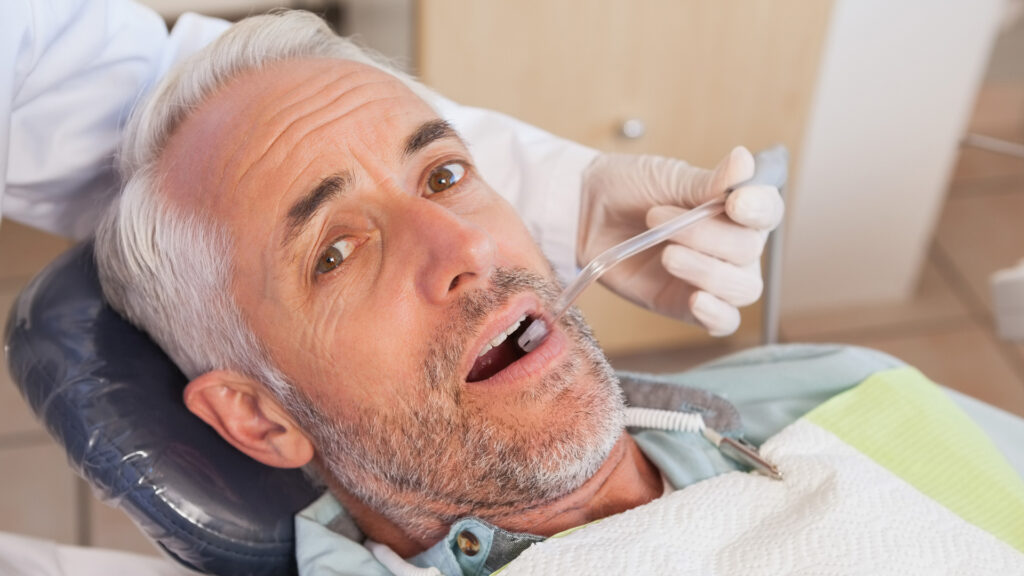
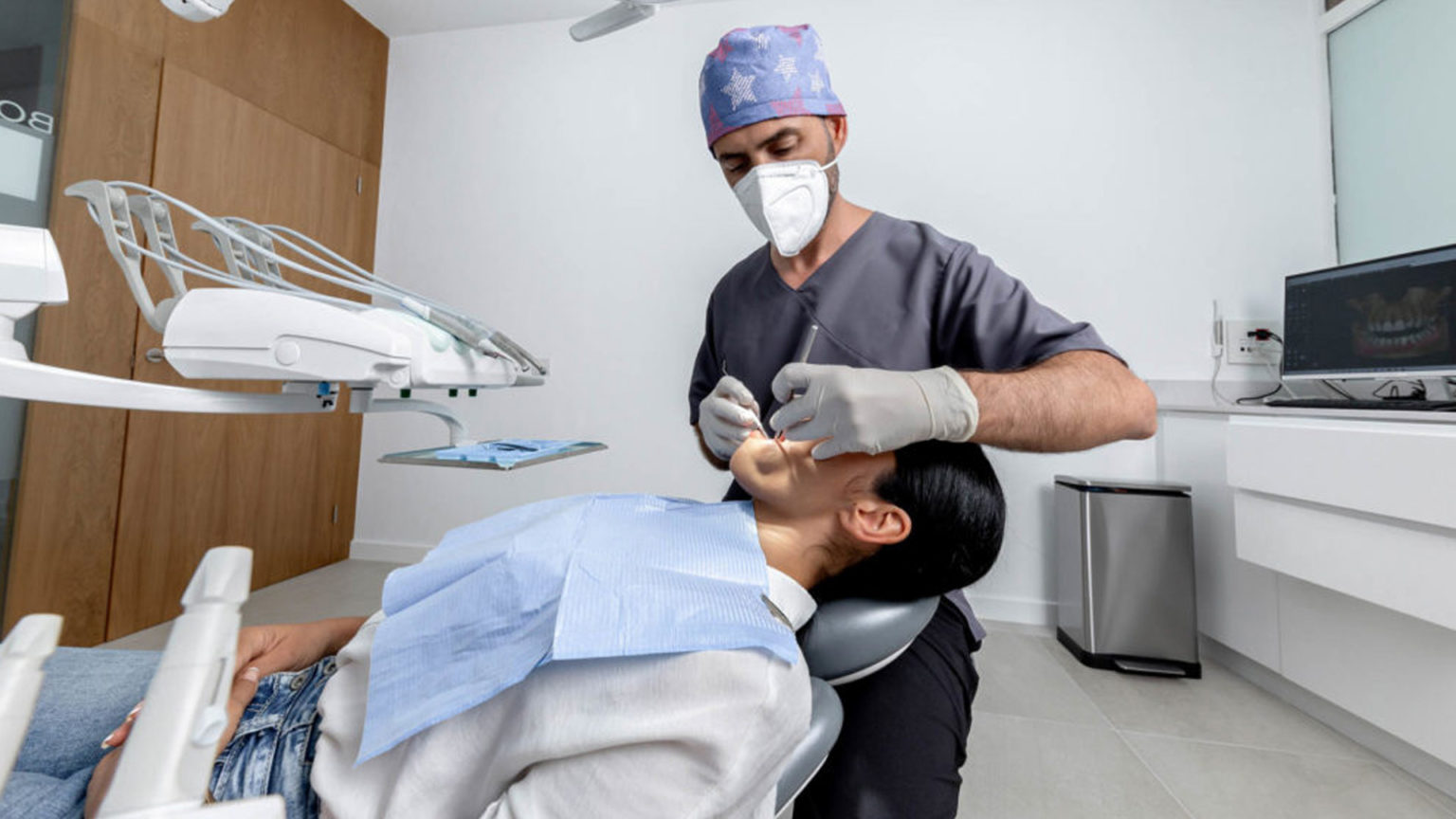

A true dental emergency has a way of collapsing the rest of the day. A teenager takes an elbow during basketball practice and suddenly has a chipped front tooth. An adult wakes at 2 a.m. With pulsing pain that radiates to the ear and jaw. A temporary crown slips off before an important meeting. A wisdom tooth flares during finals week. These situations do not feel routine when they are happening to you, and they rarely arrive at a convenient hour.
That is where an Emergency Dentist Beverly Hills becomes more than a search term. The right emergency dental care can mean the difference between saving a tooth and losing it, between a minor repair and a much larger procedure later, between a manageable recovery and days of escalating pain. For teens and adults, the needs overlap in some ways, but they are not identical. Teen dental emergencies often involve sports injuries, orthodontic appliances, and developing teeth. Adult emergencies are more likely to involve old restorations, untreated decay, cracked teeth, gum infections, and grinding-related fractures.
The common thread is urgency, not panic. The best emergency care is fast, calm, and precise. It starts with knowing what counts as an emergency, what you can do in the first few minutes, and when symptoms suggest you should not wait.
What actually counts as a dental emergency
People tend to underestimate some problems and overestimate others. A small chip with no pain might be inconvenient rather than urgent. Severe swelling under the jaw, by contrast, is not something to watch for a few days. Clinical judgment matters.
A dental emergency usually involves one or more of the following: significant pain, bleeding that does not stop, swelling, trauma, infection, damage that affects function, or a problem that could worsen quickly without treatment. A knocked-out adult tooth is an emergency. So is a cracked molar that makes it painful to bite. So is an abscess that causes facial swelling or fever. A broken retainer wire poking the cheek is often urgent, especially for a teen in braces, but the level of urgency depends on whether there is active injury, severe pain, or a risk of swallowing or inhaling a loose component.
In practice, emergency visits often fall into a few familiar categories. A teenager arrives after a game with a fractured incisor. An adult comes in with a crown that fell off over a tooth that had previous root canal treatment and now feels exposed and tender. Someone else presents with deep throbbing pain that kept them awake all night and turns out to be an inflamed nerve or a spreading infection. These are different problems, but they share one feature: waiting tends to narrow options.
The first hour matters more than most people think
When a dental emergency happens, the first response at home or on the field can shape the outcome. This is especially true for trauma. A knocked-out permanent tooth has the best chance of survival when it is replanted quickly or stored properly and seen by a dentist without delay. People are often surprised by how time-sensitive this is. Thirty minutes is better than ninety. Ninety is better than three hours.
Even when a tooth is not completely knocked out, early care matters. Cracks can deepen. Soft tissue injuries can hide embedded tooth fragments. Swelling can spread. Pain can become harder to control. The fastest path is not always the nearest open office, but it should be an office equipped to triage accurately, provide same-day treatment when indicated, and refer appropriately when a hospital setting is safer.
For families in Beverly Hills, that often means calling an emergency-focused dental office first, describing symptoms clearly, and asking the right questions. Can they see a teen with dental trauma today? Do they handle adult toothaches that may need endodontic evaluation? Can they manage a broken crown, loose implant component, or urgent extraction if needed? Good emergency practices answer these questions quickly and give practical guidance before you arrive.
Teen dental emergencies are often sudden and visible
Teenagers are active, and their emergencies often involve speed, impact, and embarrassment. A front tooth fracture before school photos or a dance recital feels catastrophic to a teen, even if the pulp is not exposed and the injury is structurally manageable. That emotional component matters. Emergency care for teens should address both the health of the tooth and the social reality of adolescence.
Sports injuries are high on the list. Basketball, soccer, skateboarding, baseball, and even casual recreation can produce lip lacerations, tooth fractures, jaw soreness, and avulsed teeth. Orthodontic treatment adds another layer. Brackets can detach. Archwires can distort after a blow. A displaced tooth may interact poorly with braces and need coordinated management between the emergency dentist and orthodontist.
There is also a developmental factor. Teens may still have a mix of dental circumstances that affect treatment planning, especially in the earlier teenage years. A tooth with a wide pulp chamber, for example, may react differently to trauma than an older adult tooth. The goal is not just to patch the visible damage, but to preserve long-term vitality whenever possible.
One case that repeats itself in different forms is the teen who says, “It only chipped a little,” while holding a fragment in a tissue. Sometimes that fragment can actually help. If it is clean and kept moist, the dentist may be able to assess whether reattachment is possible. Even when reattachment is not ideal, having the fragment can guide shade, contour, and the size of the missing area. These small practical details can improve the final result.
Adult emergencies often build quietly, then become impossible to ignore
Adult dental emergencies can look less dramatic from the outside, but they are often more complex biologically. A cracked tooth may begin as an occasional zing on cold water and then turn into sharp pain with chewing. Old fillings can leak or fail. Gum disease can create abscesses that drain intermittently until the infection flares. Bruxism, the habit of clenching or grinding, contributes to fractures that may not be visible in a bathroom mirror.
There is a pattern many dentists know well. An adult has a lower molar that has “been sensitive for a while.” Work gets busy. Travel happens. They chew on the other side. Then one evening the tooth breaks on a piece of bread or a soft roasted vegetable, not because the food was hard, but because the tooth was already structurally compromised. At that point, the emergency is not the bread. It is the months of undermined enamel and dentin that finally gave way.
Adults also tend to have more extensive prior dental work. Crowns, bridges, implants, veneers, and root canal-treated teeth each come with their own emergency scenarios. A crown that dislodges may be simple to recement, or it may reveal decay, fracture, or inadequate remaining tooth structure. An implant that feels loose may not be a failed implant at all, it may be a loose abutment screw, which is a very different problem with a very different solution. This is why emergency diagnosis matters more than emergency assumptions.
Warning signs you should not ignore
Some symptoms can wait a day or two for a routine appointment. Others should move to the top of the list. If you are not sure where your situation falls, these signs deserve prompt attention:
- A permanent tooth that has been knocked out, shifted, or feels suddenly loose after trauma
- Facial swelling, gum swelling, or pain accompanied by fever, foul taste, or trouble opening the mouth
- A cracked, broken, or heavily decayed tooth causing sharp pain with biting or lingering sensitivity
- Bleeding from the mouth that does not stop with pressure, or a deep cut to the lip, cheek, or tongue
- Severe pain that interferes with sleep, eating, or speaking, especially if over-the-counter medication barely helps
These signs do not always mean the same diagnosis, but they all point to a need for timely professional evaluation. Swelling is the one people most often underestimate. Dental infections can spread into facial spaces. That is not common in every case, but when it happens, the problem moves beyond a tooth.
What an emergency dentist actually does during the visit
Emergency dental visits are not all quick fixes. The immediate goal is to diagnose the source of the problem, control pain, reduce risk, and stabilize the situation. Sometimes the complete treatment can be finished the same day. Sometimes the best medicine is a staged approach.
An emergency appointment usually starts with focused questions. When did the pain begin? Was there trauma? Is the pain triggered by cold, pressure, or nothing at all? Is there swelling? Has the tooth had prior work? For a teen, the dentist may ask whether there was loss of consciousness or signs of head injury, because facial trauma can involve more than teeth. For adults, medication history and medical conditions are especially important, particularly if infection or surgical treatment is involved.
Examination and imaging follow. A small crack can be hard to see without magnification, bite testing, and carefully angled X-rays. Trauma cases may require multiple radiographic views to assess root damage or displacement. Soft tissue inspection matters too. A lip that struck the tooth may contain a fragment that will not show up until the dentist looks carefully or takes a film of the area.
Treatment varies by diagnosis. A fractured tooth may need smoothing, bonding, a pulp cap, or referral for root canal therapy. An abscess may need drainage and treatment of the source, which could be endodontic therapy or extraction depending on restorability. A dislodged crown may be recemented, remade, or used as a temporary measure until the tooth can be rebuilt. For a knocked-out permanent tooth, reimplantation and splinting may be attempted if conditions are favorable. Good emergency care is not one-size-fits-all. It is triage with judgment.
The difference between pain relief and problem solving
People often arrive hoping antibiotics will solve a toothache. Sometimes antibiotics are appropriate, especially when there is swelling, systemic involvement, or a clear spreading infection. But antibiotics do not remove dead pulp tissue, seal a crack, rebuild a fractured cusp, or drain pressure inside a tooth by themselves. They support treatment, they do not replace it.
This distinction matters because some adults delay care once the pain dips Emergency Dentist Beverly Hills for a day or two after medication. The underlying issue often remains. A quiet tooth is not always a healthy tooth. In fact, a tooth that stops hurting abruptly after days of severe pain can indicate nerve death rather than recovery.
The same idea applies to teens with sports injuries. If a tooth is not hurting much after impact, that does not guarantee everything is fine. Teeth can discolor, become non-vital, or show root changes later. Follow-up is part of emergency care, especially after trauma.
What to do before you get to the office
A few simple actions can protect the tooth and make treatment easier. The key is to keep things clean, avoid making the injury worse, and get specific help fast.
- If a permanent tooth is knocked out, hold it by the crown, not the root. Rinse briefly with clean water if dirty, do not scrub it, and place it in milk or inside the cheek if the person is old enough to do that safely.
- For swelling or trauma, use a cold compress on the outside of the face in short intervals. This can help with pain and limit some swelling.
- If a crown, veneer, or tooth fragment comes off, bring it with you. It may help with repair or temporary stabilization.
- For bleeding, apply clean gauze or cloth with steady pressure. Avoid checking every few seconds, which interrupts clot formation.
- Do not place aspirin directly on the gum or tooth. It irritates tissue and does not treat the source of pain.
These first-aid steps are not substitutes for care, but they can improve the situation during the trip to the dentist. For parents of teens, one practical note is worth remembering: if there was a fall, collision, or facial blow, ask about headache, dizziness, nausea, or confusion. Dental trauma can happen alongside a concussion.
Beverly Hills patients often need discretion as much as speed
Emergency care in Beverly Hills carries a particular expectation. Patients want prompt treatment, but they also want composure, privacy, and aesthetic sensitivity. That is especially true when front teeth are involved. A teenager with a fractured incisor and an adult with a damaged veneer may both need same-day cosmetic stabilization, even if the definitive restoration comes later.
This does not mean choosing appearance over health. It means understanding that visible dental injury affects confidence immediately. An experienced Emergency Dentist Beverly Hills practice often plans for both function and presentation. A polished edge on a chipped front tooth, a carefully shaded bonded repair, or a discreet temporary can make a major difference in how someone gets through the next few days.
Adults in professional settings often need another level of planning. If a trial attorney, executive, actor, realtor, or media professional cannot appear in public with a missing front crown, the dentist may need to create a short-term solution under time pressure while still protecting the long-term prognosis of the tooth. That balance is where experience shows.
Cost, timing, and trade-offs in emergency treatment
Patients deserve honesty here. The cheapest immediate option is not always the least expensive path overall. Recementing a crown that barely fits over a decayed tooth may buy time, but if the foundation is poor, it may fail quickly. Extracting a painful tooth can relieve the emergency, but saving it with root canal therapy and a crown Emergency Dentist Beverly Hills may preserve function better if the tooth is restorable. On the other hand, not every heavily damaged tooth should be saved. Sometimes extraction is the wiser decision.
The trade-offs depend on several factors: the amount of healthy remaining tooth structure, the presence of fracture below the gumline, periodontal support, bite forces, age, and future plans. Teens generally push the decision-making toward preservation whenever reasonable. Adults with repeated fractures on a heavily restored molar may face a narrower set of choices.
Timing also affects cost and complexity. A small crack treated early might need a conservative onlay. The same tooth, after months of worsening, may end up needing root canal treatment, a crown, or extraction. Emergency care is not just about same-day relief. It is about interrupting that escalation.
Aftercare is part of the emergency, not an afterthought
A well-run emergency appointment ends with specific instructions, not vague reassurance. Patients need to know what to expect over the next 24 to 72 hours, what symptoms are normal, what should trigger a return call, what to eat, how to clean the area, and when the next visit should happen.
For teens, aftercare often involves school, sports, and orthodontic coordination. A splinted tooth may require activity restrictions. A bonded edge may need a softer diet for a period. Communication with parents has to be clear enough that instructions survive the ride home.
For adults, aftercare often hinges on work schedules and habits. If the dentist places a temporary restoration on a cracked molar, the patient needs to know that chewing ice, nuts, crusty bread, or tough meat on that side can undo the repair quickly. If an infection was treated, follow-through matters. Skipping the definitive treatment because the pain faded is one of the main reasons emergencies recur.
Follow-up can also reveal delayed consequences. A traumatized tooth may test vital initially and change later. A cracked tooth may remain ambiguous until symptoms evolve. Good emergency dentistry includes a willingness to reassess rather than pretend every answer is available in the first fifteen minutes.
Choosing the right emergency dental office
Not every practice is set up for true emergencies. Some can squeeze in a limited exam and prescribe medication. Others are prepared to diagnose thoroughly and intervene the same day. For teens and adults facing dental emergencies, that difference matters.
A strong emergency dental office usually offers rapid scheduling, clear phone triage, digital imaging, experience with trauma, and comfort managing both pain and aesthetics. It also knows its limits. A serious spreading infection, significant facial trauma, or airway concerns may require hospital-based care or referral to an oral surgeon. Confidence is useful. Overconfidence is not.
When you call, notice how the team responds. Do they ask focused questions or simply offer the next opening? Do they explain whether to bring a tooth fragment or crown? Do they ask about swelling, fever, trauma, and bleeding? The quality of the phone triage often reflects the quality of the clinical system behind it.
Why fast care changes outcomes
There is a practical reason emergency dentistry matters beyond pain relief. Teeth are biological structures in a small, crowded space. Problems spread. Fractures deepen. Infections track. Soft tissue swells. Bites shift when a painful tooth is avoided. A few hours do not always change the prognosis, but sometimes they do. A few days often matter more than patients expect.
For teens, prompt treatment can preserve a lifetime smile after one bad collision. For adults, fast intervention can save a strategic tooth that supports a stable bite and avoids more invasive treatment later. That is why access to an Emergency Dentist Beverly Hills is not merely a convenience. It is part of responsible dental care.
The best emergency visits have a certain rhythm. The patient arrives distressed. The source is identified. The pain is reduced. The next steps are made clear. Even when the final restoration will take more than one appointment, the uncertainty lifts. And in dental emergencies, that relief is not a small thing.
Dental Group of Beverly Hills
8641 Wilshire Blvd #125, Beverly Hills, CA 90211, United States
Phone: +1 (310) 929-6335
FAQ About Emergency Dentist Beverly Hills
What is considered to be a dental emergency?
Severe tooth pain, a knocked-out permanent tooth, a significant tooth fracture, or suspected dental infection needs prompt professional assessment. Contact a dentist to describe the problem and arrange appropriate care. Trouble breathing or swallowing, uncontrolled bleeding, or major facial injury requires immediate emergency medical attention.
How to tell if tooth pain is serious?
Pain that is severe, persistent, or accompanied by fever, facial swelling, or a bad taste should be assessed promptly by a dentist. The cause cannot be confirmed from symptoms alone. If swelling affects breathing or swallowing, call 911 or go to an emergency department.
What do I do if I have a dental emergency and no dentist?
Call a nearby dental practice that accepts urgent patients and explain your symptoms, when they began, and any recent injury. Ask about the earliest available assessment and what information to bring. For life-threatening symptoms, seek emergency medical care immediately instead of waiting for a dental appointment.