Emergency Dentist Beverly Hills Tips for Managing Pain Before Treatment

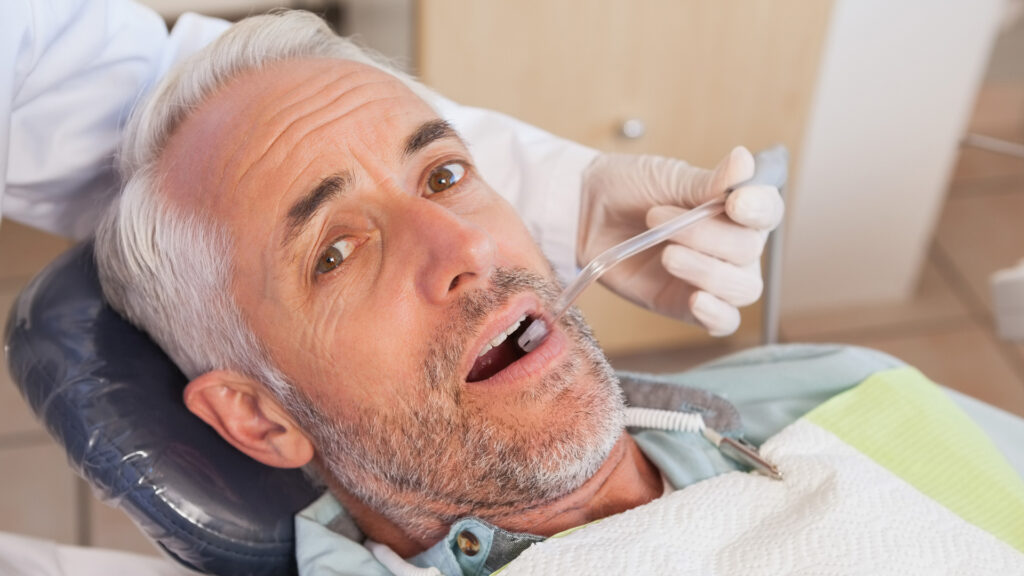

Dental pain has a way of taking over everything. It can start as a dull ache while you are finishing lunch, then become a sharp, throbbing distraction by evening. Sleep gets lighter. Eating becomes cautious. Even a sip of cold water can feel like a challenge. When that happens, most people are not thinking about perfect scheduling or routine care. They want relief, and they want to know what they can safely do until they can be seen.
That is where good judgment matters. If you are trying to reach an Emergency Dentist Beverly Hills patients often ask the same urgent questions: Should I use ice or heat? Is it safe to take ibuprofen? What if there is swelling? Can I wait until morning? The answers depend on the cause of the pain, but there are reliable ways to reduce discomfort without making the situation worse.
The first thing to understand is that pain control at home is temporary support, not treatment. A cracked tooth will not seal itself. An abscess will not drain safely because you rinsed with salt water. A lost filling does not become less urgent because the pain eases for a few hours. Home care buys time, lowers stress, and can prevent the problem from escalating before a dentist evaluates it.
Not every toothache is the same
People often describe dental pain with one word, pain, but the pattern tells a much richer story. A brief zing with cold may suggest exposed dentin, early decay, or gum recession. Throbbing that wakes you up at night often points to inflammation inside the tooth. Sharp pain when biting can mean a crack, a loose filling, or a problem with the ligament around the tooth. Swelling in the gum or cheek raises concern for infection, particularly if the area feels warm, tender, or starts to change the shape of the face.
This matters because the right temporary step depends on what the mouth is doing. Ice can be very helpful for swelling in the cheek after trauma, but it will not solve pressure building inside an infected tooth. Clove oil may calm a sore spot in some cases, but it can also irritate soft tissue if used carelessly. Holding aspirin against the gum is still a surprisingly common mistake, and it can leave a chemical burn without touching the real source of pain.
A useful way to think about emergency dental discomfort is to separate it into three broad groups: pain from inflammation inside the tooth, pain from injury or fracture, and pain linked to infection. They can overlap, but each tends to behave differently. Someone with irreversible pulp inflammation may say the pain lingers after hot or cold and seems to pulse. Someone with a cracked molar may say chewing on one side suddenly became impossible after popcorn, nuts, or a hard crust of bread. Someone with an abscess may report a bad taste, swelling, tenderness under the jaw, or feeling run down in addition to pain.
The first hour makes a difference
When pain spikes, people often react fast and not always wisely. They rinse with whatever mouthwash is nearby, chew on the other side, press the area repeatedly, or lie flat hoping sleep will override it. A calmer first response usually works better.
Here is a practical sequence that helps in many situations before you see a dentist:
- Rinse gently with warm salt water to clear debris and soothe irritated tissue.
- Take an over the counter pain reliever as directed on the label, if you normally tolerate it and have no medical reason to avoid it.
- Use a cold compress on the outside of the cheek for swelling or trauma, about 15 minutes on and 15 minutes off.
- Avoid chewing on the painful side, and stick to soft, lukewarm foods if you need to eat.
- Call a dental office promptly, especially if pain is intense, persistent, or paired with swelling.
That sequence sounds simple, but small details matter. The salt water should be mild, roughly half a teaspoon of salt in a cup of warm water. More is not better. Swishing aggressively can irritate tissue, especially after a tooth extraction or around a sore gum flap. The rinse is meant to clean and calm, not disinfect the mouth into submission.
Pain relievers deserve the same caution. Ibuprofen is often effective for dental pain because it targets inflammation, but it is not right for everyone. People with certain stomach problems, kidney disease, blood thinner use, or a history of ulcers may need to avoid it. Acetaminophen can be a useful alternative for some patients, but it also has dosing limits that should be respected. Combining medications without guidance is where preventable mistakes happen. If you are unsure because of another medical condition or prescription, ask a pharmacist or your physician while arranging dental care.
What helps, and what tends to backfire
Some home remedies remain popular because they offer a moment of control. The challenge is that dental pain often responds briefly to almost anything, so people assume the method is working even if it is irritating the tissue or delaying proper treatment.
Cold is usually the safer choice for swelling from trauma or inflamed gum tissue on the outside of the face. It constricts blood vessels and can dull the ache. Heat on the cheek, by contrast, can worsen swelling in an active infection. Inside the mouth, warm salt water is fine, but external heat packs are not a good bet if your face looks puffy.
Topical numbing gels have a place, especially for irritated gum tissue, but they are not a cure for deep tooth pain. Used too often, they can create a false sense that the problem is improving. Temporary filling material from a pharmacy can protect a tooth with a lost filling or minor chip, but only if the area is reasonably clean and the instructions are followed carefully. It is a stopgap, not a repair.
One of the most common errors in true emergencies is trying to “tough it out” with sugary drinks, alcohol, or constant snacking because chewing feels oddly relieving for a few seconds. Sugar can aggravate exposed dentin and decay. Alcohol may interact with pain medications or dry out the mouth. Repeated chewing on a cracked tooth often turns a repairable problem into a more serious fracture.
I once saw a patient who had fractured a cusp on a lower molar during a weekend dinner. The pain was manageable that night, so he kept testing it every few hours by biting down “just to see if it was better.” By morning, the tooth had shifted from sore to sharply painful on release, a classic sign that the crack was moving. What might have been a simpler restoration became a more complicated treatment discussion. The tooth had told the story early, but the repeated bite test kept reopening it.
When swelling changes the urgency
Pain is distressing, but swelling is often the feature that changes the timetable. A small, localized gum bump near one tooth can still represent infection and should be seen promptly. Diffuse swelling in the cheek, under the jaw, or around the eye is more serious. Dental infections can spread into facial spaces, and once breathing, swallowing, or jaw opening become difficult, it is no longer a wait and watch scenario.
These signs call for immediate action rather than routine scheduling:
- Swelling that is spreading into the cheek, jaw, or around the eye
- Fever, chills, or feeling weak along with tooth pain
- Trouble swallowing, breathing, or opening the mouth normally
- Bleeding that does not slow after firm pressure
- Trauma that leaves a tooth knocked out, displaced, or the jaw difficult to move
This is the point where judgment outweighs convenience. An Emergency Dentist Beverly Hills residents contact may be able to see traumatic injuries or acute infections quickly, but if breathing or swallowing is affected, emergency medical care is the safer route. Dental and medical emergencies can overlap, and it is better to overreact to compromised airway symptoms than to minimize them.
Specific situations and the best short term response
A lost filling or crown often feels less dramatic than severe toothache, but it can expose sensitive dentin and leave a tooth vulnerable. If a crown comes off intact, keep it clean and bring it to the appointment. Some people use temporary dental cement from a pharmacy to re-seat it, which can be reasonable if the crown fits passively and there is no swelling or major pain. Household glue should never be used. It is not designed for the mouth and can complicate the repair.
A chipped tooth may be mostly cosmetic, or it may expose the inner structure enough to trigger temperature sensitivity. Rinse gently, avoid very hot or cold foods, and cover a sharp edge with orthodontic wax if it is rubbing your tongue or cheek. The more jagged the break, the more likely soft tissues will become the real source of misery before the tooth itself is treated.
A tooth that has been completely knocked out is one of the few true races against time in dentistry. The highest chance of saving it comes with quick action. Pick it up by the crown, not the root. If it is dirty, rinse it briefly with milk or saline if available, or clean water for only a moment if nothing else is around. Do not scrub it. If the person is alert and able, the tooth can sometimes be placed back into the socket right away and held there gently while heading for care. If that is not possible, storing it in milk is generally better than letting it dry out in a tissue. Every minute counts.
With braces or wires, emergency pain often comes less from the teeth and more from tissue irritation. Orthodontic wax can make a huge difference. If a wire is protruding and gouging the cheek, wax buys relief until the orthodontist or dentist can adjust it. Trying to clip a wire at home often creates a second problem, especially if the cut end springs back.
Sleeping, eating, and getting through the night
Nighttime is when dental pain seems to get louder. Part of that is simple attention. There are fewer distractions at 1 a.m. Than there are at 1 p.m. Part of it is also position. Lying flat can increase blood flow and pressure in the head, making throbbing feel more intense. Elevating the head with an extra pillow sometimes helps, especially with inflammatory pain.
Food choices matter more than people expect. Very hot soup, ice cream, crunchy snacks, citrus, and hard bread can each trigger a different type of response in a vulnerable tooth. Bland, soft, lukewarm foods are generally best. Eggs, yogurt, oatmeal that is not too hot, soft pasta, mashed vegetables, and smoothies that are not icy tend to be tolerated well. Chew away from the painful area, but do not keep testing the tooth just to gauge whether the pain has improved.
Hydration helps too, particularly if pain has cut down your appetite. A dry mouth can make everything feel worse. If drinking room temperature water hurts, try smaller sips and keep it away from the sensitive side.
Why some pain relievers work better than others
Dental pain has an inflammatory component in many cases, which is why anti inflammatory medications often outperform options that only blunt pain signals. That said, not every dental emergency is the same. A deep abscess creating pressure may continue to ache despite medication until the source is drained or treated. A fractured cusp may hurt every time the tooth flexes under force, and no pill can stop that movement. A dry socket after extraction has a distinctive, intense ache that usually improves only when the site is properly dressed and evaluated.
People sometimes assume that if a strong pain reliever takes the edge off, the emergency is less urgent. Clinically, that is not a safe assumption. Temporary improvement often reflects suppression of inflammation, not resolution of the cause. I have seen infected teeth calm down for a day or two under medication, only to return with more swelling because the person believed the worst had passed.
Antibiotics create another common misunderstanding. They are not painkillers. They are not indicated for every toothache. If a tooth is inflamed but not infected, antibiotics may do nothing useful. When infection is present, the tooth still usually needs definitive dental treatment, such as drainage, root canal therapy, or extraction. Taking leftover antibiotics from a previous illness is a poor substitute for proper care and can muddy the picture for the clinician.
The emotional side of dental emergencies
People rarely talk about how unsettling dental pain can be. It is intimate, hard to ignore, and often tied to fear from earlier experiences. Someone who handles migraines or sports injuries without much fuss can become deeply anxious when a molar starts pulsing. That is normal. The mouth is dense with nerves, and dental pain tends to feel immediate and personal.
It helps to reduce the problem into the next right step instead of trying to solve the entire situation at once. Rinse gently. Control swelling if present. Take appropriate medication if safe for you. Protect the area from chewing. Make the call. That sequence gives structure to a moment that otherwise feels chaotic.
When you contact a dental office, describe the pain clearly. “It hurts” is true, but “throbbing upper right molar, worse with heat, woke me at 3 a.m., cheek slightly swollen” is much more actionable. If you have had trauma, say exactly when it happened. If you have a fever, mention it. If you are pregnant, taking blood thinners, diabetic, or immunocompromised, bring that up early because it can influence urgency and medication choices.
What an emergency dentist needs to know before you arrive
Good emergency care starts before you sit in the chair. If you are headed to an Emergency Dentist Beverly Hills office, gather a few details while they are fresh. Which tooth seems involved, even if you are not completely sure. Whether cold, heat, or biting triggers the pain. When the pain started and whether it has changed. Any visible swelling, foul taste, drainage, or history of recent dental work in that area.
Photos can sometimes help, especially with swelling or trauma, though they are not a replacement for an exam. If a crown or broken piece of tooth came out, bring it in a clean container. If a front tooth was injured, note whether it moved immediately or changed color over the next day or two. Those details may sound minor, but they often steer the first treatment decision.
A measured approach usually works best
The smartest way to manage dental pain before treatment is not to do the most dramatic thing. It is to do the safest useful thing, then get proper care. Clean the area gently. Reduce inflammation where appropriate. Protect the tooth from further stress. Watch for red flags that turn urgency into immediacy.
Most dental emergencies become easier to manage once a diagnosis is clear. The uncertainty is often the hardest part. A patient may fear a root canal and discover it is only a lost filling, or expect a simple cavity and learn that a crack is the real source of the pain. Until that evaluation happens, home care should stay conservative Emergency Dentist Beverly Hills and sensible.
Pain has a purpose. It is the body’s way of demanding attention. With dental emergencies, respecting that signal, rather than masking it recklessly, usually leads to the best outcome. If the ache is escalating, swelling is appearing, or normal eating and sleeping have become difficult, it is time to stop negotiating with the problem and arrange care. Temporary relief matters, but timely treatment is what protects the tooth, the surrounding tissues, and your peace of mind.
Dental Group of Beverly Hills
8641 Wilshire Blvd #125, Beverly Hills, CA 90211, United States
Phone: +1 (310) 929-6335
FAQ About Emergency Dentist Beverly Hills
What is considered to be a dental emergency?
Severe tooth pain, a knocked-out permanent tooth, a significant tooth fracture, or suspected dental infection needs prompt professional assessment. Contact a dentist to describe the problem and arrange appropriate care. Trouble breathing or swallowing, uncontrolled bleeding, or major facial injury requires immediate emergency medical attention.
How to tell if tooth pain is serious?
Pain that is severe, persistent, or accompanied by fever, facial swelling, or a bad taste should be assessed promptly by a dentist. The cause cannot be confirmed from symptoms alone. If swelling affects breathing or swallowing, call 911 or go to an emergency department.
What do I do if I have a dental emergency and no dentist?
Call a nearby dental practice that accepts urgent patients and explain your symptoms, when they began, and any recent injury. Ask about the earliest available assessment and what information to bring. For life-threatening symptoms, seek emergency medical care immediately instead of waiting for a dental appointment.