What to Bring to an Emergency Dentist Appointment

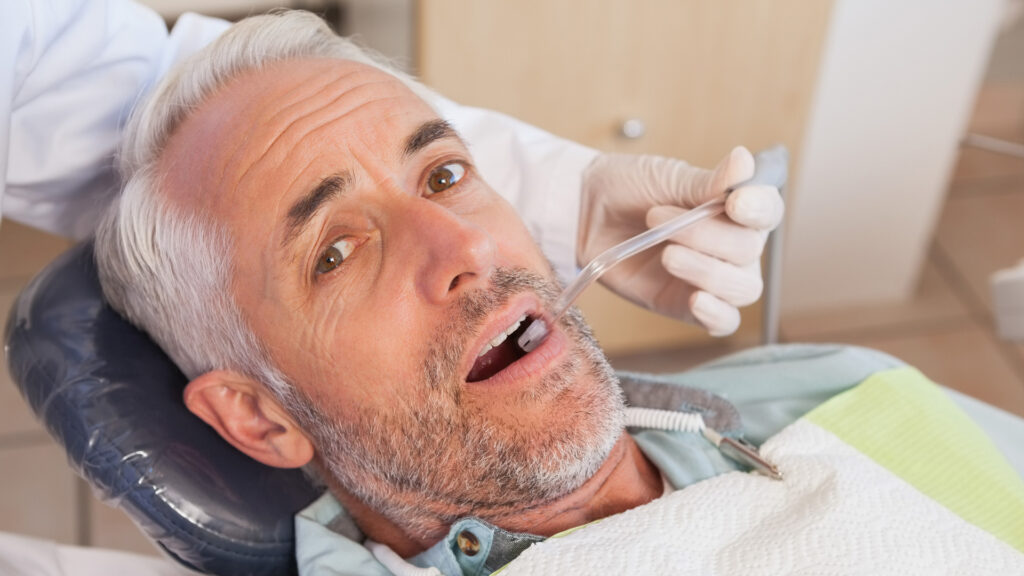

A dental emergency tends to collapse time. One minute you are eating lunch or getting ready for bed, the next you are trying to decide whether a cracked molar can wait until morning, whether a swollen gum means infection, or whether that tooth in your hand can actually be saved. In that moment, most people focus on one question: how fast can I get seen? Speed matters, but so does showing up prepared.
An emergency dentist can work more efficiently, and often more effectively, when you bring the right information and the right items. That does not mean arriving with a suitcase. It means thinking like a patient who wants to reduce delays, avoid repeated phone calls, and give the dental team what they need to make good decisions quickly. Some emergencies are straightforward, such as a chipped filling with little pain. Others are more complicated, such as facial swelling, trauma from a fall, or a broken crown exposing the tooth underneath. In each case, preparation affects what happens in the chair.
Over the years, one pattern shows up again and again in urgent dental care: people remember the pain, but forget the details that explain the pain. They leave their medication list on the kitchen counter. They forget the name of the blood thinner their cardiologist prescribed. They wrap a broken retainer in a tissue that gets thrown away in the car. None of those mistakes are unusual. They are simply common, and avoidable.
Start with the essentials that make check-in easier
The front desk at an emergency dental office is not trying to slow things down when it asks for identification, insurance information, or a completed health form. Those details affect treatment choices, billing, and in some cases patient safety. If you can gather them before you leave, you remove friction from the appointment.
Bring these core items if you have them:
- A photo ID and your dental or medical insurance card
- A list of medications, including dose if you know it
- A brief medical history, especially allergies, heart conditions, diabetes, pregnancy status, or recent surgeries
- Any dental appliance, restoration, or tooth fragment involved in the problem
- A form of payment, because some emergency services require same-day payment or a copay
That list looks obvious on paper, but in practice it covers the things most likely to be forgotten. If you do not have insurance, still bring ID and payment information. If someone else is driving you because you are in pain, ask them to pause for sixty seconds while you grab these items. That minute can save much longer delays later.
A medication list matters more than many patients realize. A dentist deciding whether to prescribe antibiotics or pain medication needs to know what you already take and whether there are interactions. If you are on anticoagulants such as warfarin, apixaban, or rivaroxaban, that may affect how the dentist approaches a procedure that could cause bleeding. If you take bisphosphonates, corticosteroids, or immunosuppressive medications, those details can shape treatment planning. You do not need to memorize everything. A photo of your prescription bottles on your phone is often enough.
Bring the story of the emergency, not just the symptom
Pain is important, but pain by itself rarely tells the whole story. A dentist wants to know when the problem started, what triggered it, whether it is getting worse, and what you have already tried. The more clearly you can describe the sequence, the easier it is to narrow the likely cause.
For example, “my tooth hurts” is less useful than “the lower right molar started aching two days ago when I drank cold water, then last night the pain became constant and now it wakes me up.” The second version suggests a progression that may point toward nerve inflammation or infection. Likewise, “my face is swollen” is more helpful when paired with “the swelling started this morning, it is on the upper left, and I also have a bad taste in my mouth.”
If you are flustered, jot down the timeline in your phone before you leave. A few simple details help enormously: where the pain is, whether heat or cold triggers it, whether biting makes it worse, whether there is swelling, bleeding, fever, a bad taste, numbness, or trouble opening your mouth. If trauma caused the injury, note what happened. A sports injury, a car accident, and grinding your teeth at night can produce very different patterns.
This is especially valuable when the emergency follows treatment done elsewhere. If you had a filling two weeks ago and now cannot bite down without sharp pain, say so. If a root canal was started but not completed, mention that. Emergency dentists often see patients who are away from home, between regular providers, or unable to get same-day care from their usual office. In those cases, the treatment history becomes part of the diagnosis.
If a tooth, crown, or filling came out, bring it carefully
One of the most useful things you can bring is the actual object that failed. A lost crown, a broken denture tooth, a cracked night guard, or a large filling that came out may tell the dentist more than you expect. Sometimes it can even be reused temporarily or guide fabrication of a better repair.
Patients often arrive saying, “I lost it somewhere,” when what they mean is that it is still in the cup holder wrapped in a napkin. If you can find the piece, bring it. Rinse it gently if it is dirty, but do not scrub aggressively. Place it in a clean container, not loose in your pocket. A small plastic bag, pill bottle, or denture case works well. Tissue paper is less ideal because tiny fragments can stick, tear, or be thrown away accidentally.
The same applies to removable dental work. If a partial denture is causing a sore spot, bring the partial. If an orthodontic retainer snapped, bring both pieces. If a temporary crown came off, bring that too, even if it looks unusable. The material, fit, and fracture pattern all offer clues.
When a tooth has been knocked out completely, handling becomes more time-sensitive. The best outcomes usually happen when the tooth is kept moist and evaluated quickly. It is worth knowing what to do before you ever need it.
- Pick the tooth up by the crown, not the root
- If it is dirty, rinse it briefly with milk or saline, or clean water if nothing else is available
- Place it in milk, saline, or inside the cheek if the person is old enough to do that safely
- Get to an emergency dentist immediately
That short sequence is not a guarantee that the tooth can be saved, but it gives it the best chance. Primary baby teeth are a different situation, so if the injured person is a child, tell the office the child’s age while you are on the phone.
Medical details can change treatment on the spot
Dental emergencies do not happen in isolation from the rest of the body. A swollen jaw in a healthy adult may be treated differently than the same swelling in a person with uncontrolled diabetes, a compromised immune system, or recent cancer treatment. Pregnancy can influence X-ray decisions, medication choices, and even the timing of certain procedures. Heart valve history may affect whether antibiotic prophylaxis is considered in specific circumstances. A recent joint replacement may come up in conversation, even if it does not alter care in that moment.
This is why a complete, honest medical history matters, even when you are embarrassed that you have not been to the dentist in years. An emergency dentist is not there to judge your attendance record. The priority is to relieve pain, control infection, protect oral function, and determine what needs immediate treatment versus what can be stabilized and addressed later.
It helps to bring the name and phone number of your physician or specialist if your medical background is complex. Most emergency visits do not require same-day physician contact, but occasionally a quick clarification is useful. This can happen when medication interactions are unclear, when sedation is being considered, or when bleeding risk needs to be assessed.
If you have had recent imaging, bring that information if it is accessible. In reality, many patients do not have dental X-rays readily available, and emergency offices are accustomed to taking their own. Still, if another dentist recently diagnosed the issue and sent images or notes, those records can save time and reduce duplication.
Pain relief matters, but so does telling the truth about what you took
By the time many patients see an emergency dentist, they have already tried to get through the day on over-the-counter medication. That is understandable. What matters is that the dental team knows exactly what you took, when, and how much.
This is not just paperwork. If you had 800 milligrams of ibuprofen two hours ago and acetaminophen earlier in the day, that affects what the dentist can recommend next. If you doubled up because the pain was severe, say so. If you took leftover antibiotics from a previous illness, mention it. If you used clove oil, topical anesthetic gel, or a home temporary filling kit, bring the packaging if it is nearby or at least tell the office. Seemingly small details can explain symptoms, reduce the risk of dosing mistakes, and shape treatment.
There is another reason to be candid: dental pain is often worse at night and worse after waiting. People arrive exhausted, hungry, and frustrated. In that state, it is easy to forget how Emergency Dentist much medication they have actually taken. A quick note in your phone, even made from the parking lot, can prevent confusion.
Alcohol and recreational drug use should also be disclosed if relevant, particularly if sedation is possible or if a traumatic injury occurred. No one at a reputable office is interested in shaming you. They are interested in keeping you safe.
Practical items that make a rough appointment more manageable
Not everything you bring is for the dentist. Some things are for you. Emergency appointments can involve waiting, paperwork, imaging, numbness, temporary repairs, or a referral for follow-up treatment. Thinking one step ahead can make the day more manageable.
If the pain is intense, bring water unless the office has told you not to eat or drink because sedation might be used. Bring your glasses if you need them for forms. Bring your phone charger if you are coming from work or heading into a long afternoon. A small case for retainers or dentures is better than wrapping them in a tissue. If you suspect you may need a ride home because of medication, sedation, or simple discomfort, arrange that in advance rather than improvising after treatment.
Parents bringing children to an emergency dentist often do best when they pack lightly but strategically. Bring the child’s insurance information, medication list, comfort item, and any knocked-out or broken dental piece if you have it. Leave extra distractions in the car until you know whether you need them. Too many bags can make a stressful visit more chaotic.
Adults who grind their teeth or wear oral appliances should mention it and bring the appliance if it relates to the emergency. A cracked molar under heavy bite pressure presents differently when the patient clenches nightly. A broken night guard may not be the emergency itself, but it may explain why the emergency happened.
What not to do before you leave home
Preparation is helpful. Amateur dental treatment is not. Some patients arrive after trying to glue a crown back in with household adhesive, file a sharp tooth edge with a metal nail file, or self-drain a swelling after reading advice online. Those efforts can complicate care and sometimes make the injury worse.
If a crown came off and you have temporary dental cement from a pharmacy, that is one thing. Super glue is something else entirely. If a tooth is bleeding after trauma, gentle pressure with clean gauze is appropriate. Digging around the socket is not. If swelling involves the face, jaw, or gum, warm saltwater rinses may provide some comfort, but aggressive poking or squeezing can spread irritation.
Eating is another judgment call. If you are in severe pain or think sedation might be needed, ask the office what to do. Otherwise, it is usually wise to avoid very hot, very cold, hard, sticky, or sugary foods before the visit, especially if a tooth is broken or sensitive. Biting on the wrong side and keeping the area as undisturbed as possible helps.
A few emergency scenarios change what you should bring
Not every dental emergency is the same, and a little context can change what is most useful to have with you.
If the problem is swelling, especially if it is spreading into the cheek, under the jaw, or toward the eye, your most important contribution is accurate medical information and a clear timeline. Swelling can reflect a localized dental abscess, but it can also become a broader medical issue. If you also have fever, difficulty swallowing, trouble breathing, or cannot fully open your mouth, tell the office before you arrive. In some cases, the right place for care may be an emergency department rather than a dental chair.
If the problem is trauma, bring details of the accident. A fall on concrete, a sports collision, or a blow from an elbow can involve lips, gums, jaw joints, and surrounding facial bones in addition to teeth. If there are facial cuts, chipped front teeth, or bite changes, mention that immediately. Photos taken right after the injury can be surprisingly useful, especially if swelling later obscures the original appearance.
If the issue is a lost filling or crown and pain is mild, the appointment may be relatively simple, but do not assume that means the underlying tooth is simple. Sometimes a crown comes off because decay has weakened what was underneath. Sometimes a filling falls out because the tooth cracked. Bringing the old crown or filling gives the dentist a better look at what happened.
If the problem is a broken denture or partial, do not try to wear it if it is sharp or unstable. Bring all pieces, even tiny ones. A repair is sometimes possible, but only if the fragments are intact and properly aligned. Denture wearers often try to keep going because they need the appliance for work or social reasons, but a poorly fitting repair attempt can create ulcers or alter the bite.
The phone call before the visit is part of preparation
One of the smartest things you can bring to an emergency dentist appointment is not an object at all. It is accurate information gathered during the scheduling call. Ask whether the office needs anything specific, whether you should avoid food or drink, whether they accept your insurance, whether X-rays are likely, and whether someone should drive you. Five minutes on the phone can clear up most uncertainties.
This matters because emergency dental care is not identical from office to office. Some practices handle pain relief and stabilization only, then refer out for oral surgery or endodontics if needed. Others provide full same-day treatment, including extractions, root canals, or crown recementation. Some accept walk-ins. Others reserve emergency slots but still require an appointment. The better you understand the office setup, the better you can prepare what to bring and how long to plan for the visit.
If you are calling on behalf of someone else, especially an older adult or child, write down the answers. Stress makes details slippery. I have seen patients arrive at the right office on the wrong day, or at the wrong office entirely, simply because no one noted the address properly during a rushed call.
When it is worth bringing another person
Most adults do not need a companion for an emergency dental visit, but some do. If you are in severe pain, very anxious, taking sedating medication, have a developmental disability, or are bringing a young child, another person can be invaluable. They can help remember instructions, manage logistics, and drive if necessary.
This becomes especially important after treatment. A patient who has just had local anesthesia, drainage of an abscess, or an extraction often remembers the broad strokes of the aftercare discussion but misses one or two key points. That is normal. Pain changes concentration. A second set of ears can catch the details about diet, rinsing, prescriptions, and warning signs.
If you do bring someone, keep the group small. One support person helps. Three anxious relatives crowding the check-in area usually does not.
The best preparation is calm, accurate, and minimal
People sometimes assume that being prepared means overexplaining or overpacking. It usually means the opposite. Bring the essentials, the relevant dental item if there is one, the facts of what happened, and your medical information. Leave behind anything that creates clutter or confusion.
A well-prepared patient might arrive with a cracked crown in a clean container, a note on their phone that says “pain started Tuesday, lower left, worse with cold, took 600 mg ibuprofen at 7 a.m.,” an insurance card, and a medication list. That patient is easy to help. The dentist can review the situation, take needed images, assess whether the issue is decay, fracture, infection, or bite-related trauma, and move toward treatment with fewer gaps.
A less prepared patient may still receive excellent care, of course, but the process often slows. There are more follow-up questions, more uncertainty around medications, and more time spent reconstructing what happened. In a true emergency, anything that saves time matters.
If you are searching for an emergency dentist because pain has become unbearable or a dental injury has just happened, focus first on getting professional care quickly. Then take a breath and gather what will help the visit go smoothly: identification, insurance details if available, your medication and health information, any tooth or restoration pieces, and a clear account of the problem. That combination does not just make check-in easier. It gives the dentist the best chance to relieve pain, protect the tooth if Emergency Dentist possible, and get you to the next step without unnecessary delay.